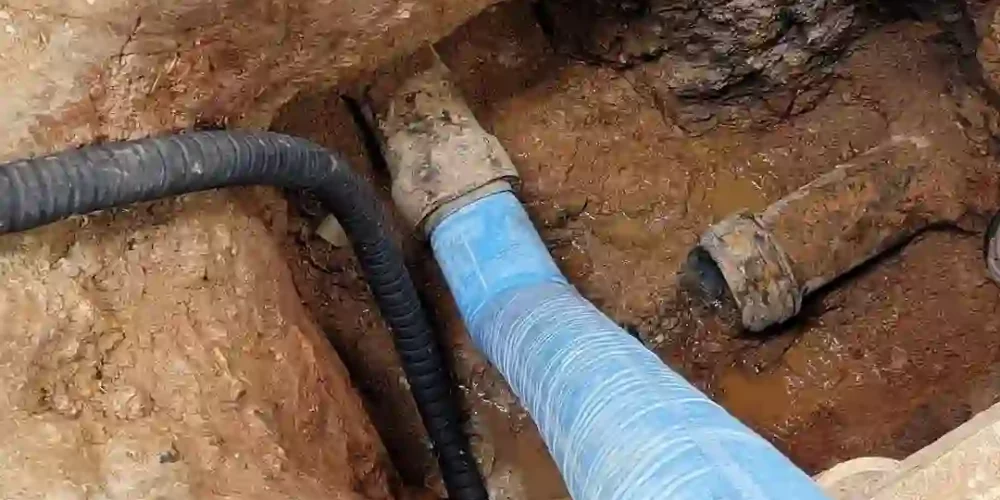
The CIPP lining process represents a significant advancement in residential sewer line rehabilitation. It employs a flexible, resin-saturated liner to restore existing pipes with minimal excavation. This method not only enhances structural integrity but also offers cost-effective solutions compared to traditional repairs. Additionally, the process minimizes disruption to the surrounding environment. Understanding these advantages is essential for homeowners facing sewer line issues, especially when considering long-term implications for maintenance and environmental impact.
Key Takeaways
- Cost-Effective: CIPP lining is generally more affordable than traditional methods due to reduced labor and material expenses from minimal excavation.
- Minimally Disruptive: The process requires only small access points, limiting surface disruption, noise, and traffic interruptions, enhancing neighborhood satisfaction.
- Durable Solution: CIPP installations can last over 50 years, providing a robust barrier against corrosion and root intrusion, ensuring long-term reliability.
- Environmental Preservation: CIPP lining minimizes excavation, preserving existing landscapes and ecosystems while reducing waste generation by utilizing existing pipes.
- Efficient Installation: The accelerated project timelines and reduced need for heavy machinery contribute to a smoother, more efficient rehabilitation experience for homeowners.
What Is the CIPP Lining Process and Why Does It Matter?
The CIPP lining process, or cured-in-place pipe lining, represents a pivotal advancement in the rehabilitation of sewer lines. This method involves the insertion of a flexible liner, saturated with resin, into the existing pipe. Once positioned, the liner is inflated and cured, typically using hot water or steam, forming a new, impermeable pipe within the old structure. This innovative approach minimizes excavation and disruption, preserving existing landscapes and infrastructure. The CIPP lining process enhances the structural integrity of sewer systems, reducing the likelihood of leaks and future failures. By employing this technique, municipalities and homeowners can achieve long-lasting results, contributing to improved public health and environmental protection. Understanding its significance underscores the importance of modern solutions in urban infrastructure management.
Is CIPP Lining Affordable Compared to Traditional Repairs?
How does the cost of the CIPP lining process compare to traditional sewer line repair methods? The CIPP lining process is often more cost-effective than conventional repairs, primarily due to reduced labor and material expenses. Traditional methods typically involve extensive excavation, leading to higher costs associated with site restoration and increased labor hours. In contrast, CIPP lining requires minimal excavation, which lowers overall project costs. Additionally, the longevity of CIPP installations can result in fewer maintenance expenses over time, further enhancing its affordability. Homeowners may find that the initial investment in CIPP lining yields long-term savings, making it a financially prudent choice for residential sewer line rehabilitation while fostering a sense of community through shared cost-effective solutions.
How CIPP Lining Reduces Disruption
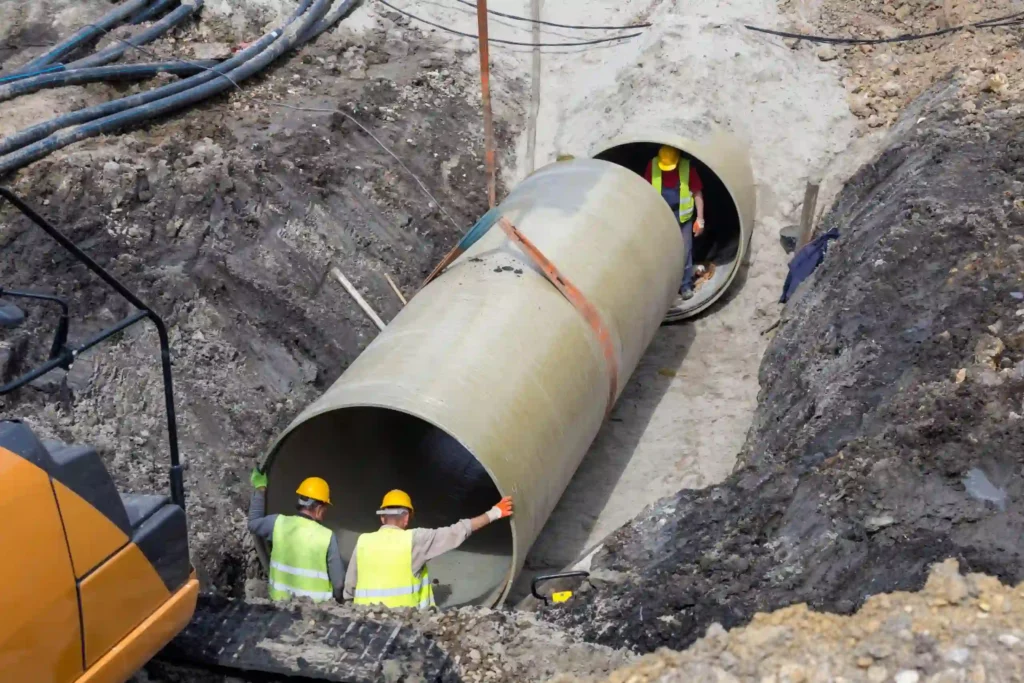
Cost efficiencies associated with the CIPP lining process extend beyond financial factors to include significant reductions in disruption during sewer line rehabilitation. Traditional methods often require extensive excavation, leading to noise, traffic interruptions, and property access issues. In contrast, the CIPP lining process is minimally invasive, typically necessitating only small access points, which drastically limits the extent of surface disruption. This approach not only accelerates project timelines but also enhances neighborhood satisfaction, as residents experience fewer disturbances. Additionally, the reduced need for heavy machinery translates to lower environmental impact, aligning with community values focused on sustainability. By prioritizing efficiency and minimal disruption, the CIPP lining process fosters a smoother experience for homeowners while effectively addressing sewer line issues.
The Durability of CIPP Lining
CIPP lining demonstrates exceptional durability, often lasting over 50 years under ideal conditions. This longevity is attributed to the high-quality materials used in the CIPP lining process, which includes resin-impregnated felt or fiberglass tubes that harden upon curing. The process creates a robust barrier against corrosion, tree root intrusion, and other common sewer line issues. Additionally, the seamless nature of the lining minimizes points of weakness, enhancing structural integrity. Laboratory tests indicate that CIPP liners can withstand substantial pressure and varying soil conditions, ensuring reliable performance over time. Homeowners can consequently expect reduced maintenance costs and fewer disruptions, reinforcing the CIPP lining process as a compelling choice for those seeking long-term solutions in residential sewer line rehabilitation.
What Are the Environmental Benefits of CIPP Lining?
The CIPP lining process greatly reduces environmental impact during sewer line rehabilitation. This method minimizes excavation, thereby preserving existing landscapes and ecosystems. Traditional sewer repairs often result in considerable soil disruption and increased debris, whereas CIPP technology utilizes existing pipes as a host, notably decreasing waste generation. Moreover, the process employs resins that are typically less harmful to the environment compared to conventional materials. Emission levels are also lowered, as less heavy machinery is required for installation. Additionally, the longevity of CIPP-lined pipes contributes to reduced long-term environmental degradation, as frequent repairs and replacements are less necessary. Collectively, these factors underscore the CIPP lining process as a sustainable choice for modern sewer line rehabilitation.
Frequently Asked Questions
How Long Does the CIPP Lining Process Take to Complete?
The CIPP lining process typically takes between one to three days to complete, depending on factors such as the length and condition of the existing sewer line, as well as environmental conditions at the site.
Will My Home’s Plumbing Be Affected During Installation?
During the CIPP lining process, a home’s plumbing typically remains unaffected. The installation is designed to minimize disruption, allowing residents to continue using their plumbing systems with minimal inconvenience throughout the rehabilitation procedure.
Can CIPP Lining Be Used for All Types of Pipes?
CIPP lining can be utilized for various pipe types, including PVC, clay, and cast iron. Its versatility makes it a suitable choice for many residential applications, though specific conditions may influence its effectiveness in certain scenarios.
What Maintenance Is Required After CIPP Lining Installation?
Post-installation of the CIPP lining process, minimal maintenance is required. Regular inspections and monitoring for leaks or blockages guarantee longevity. Adhering to these practices promotes peak performance and extends the lifespan of the rehabilitated sewer lines.
Are There Any Warranties Available for CIPP Lining Services?
Many CIPP lining services offer warranties that typically range from 5 to 50 years, depending on the contractor and material used. These warranties guarantee long-term performance and provide peace of mind for homeowners investing in sewer rehabilitation.
Conclusion
To summarize, the CIPP lining process presents a highly effective solution for residential sewer line rehabilitation. Its cost-efficiency, minimal disruption, and exceptional durability make it a superior alternative to traditional repair methods. By providing a seamless, corrosion-resistant barrier, CIPP not only enhances pipe integrity but also greatly extends service life while reducing maintenance requirements. Additionally, its environmentally friendly characteristics further underscore its value, making CIPP an ideal choice for homeowners seeking sustainable and reliable sewer line solutions.
You May Also Like To Read: