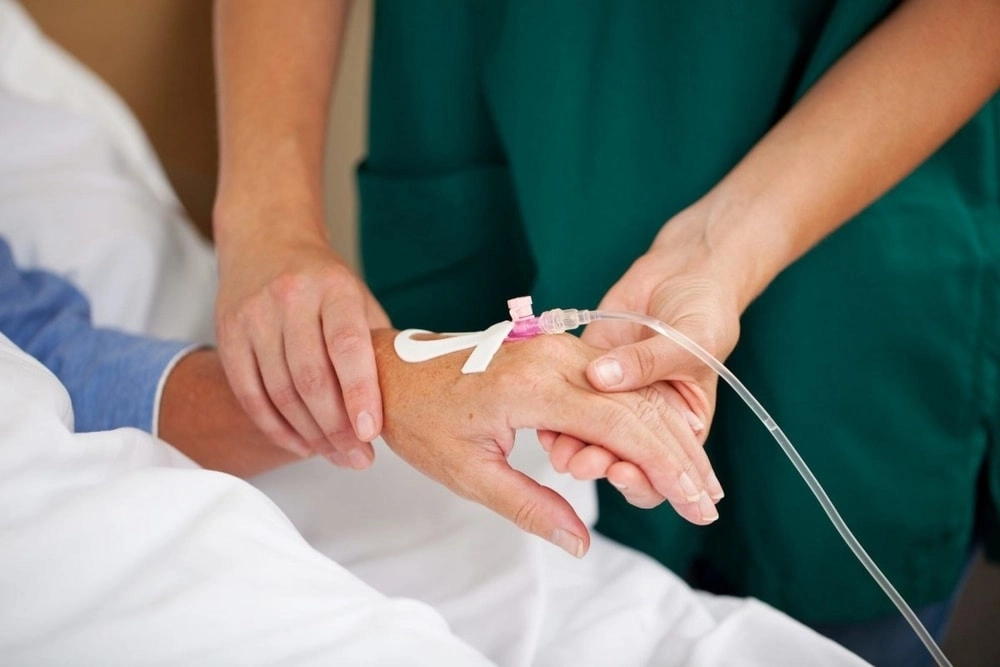
Nurse-administered IV therapy at home provides essential care for patients needing intravenous treatments. This method guarantees that skilled nurses deliver personalized attention while maintaining sterile conditions. Patients benefit from reduced anxiety and increased family involvement, promoting a supportive environment. Home IV therapy can enhance treatment adherence, ultimately improving quality of life. However, understanding the intricacies of this service is vital for those considering it. What does the process entail, and who is best suited for this option?
Key Takeaways
- Home IV therapy allows skilled nurses to deliver treatments in the comfort of patients’ homes, enhancing emotional well-being and reducing anxiety.
- Continuous monitoring by licensed nurses ensures patient safety and comfort during IV administration.
- This service is ideal for individuals with chronic illnesses, post-surgical recovery, and elderly patients with mobility challenges.
- Home IV therapy fosters family involvement, strengthening support networks and improving treatment adherence.
- Initiating home IV services involves consulting healthcare providers and selecting a reputable service for personalized care planning.
What’s Involved in Nurse Administered IV at Home?
Nurse administered IV at home offers patients a seamless alternative to hospital-based care. This service involves skilled nurses visiting the patient’s residence to deliver intravenous treatments tailored to individual needs. Initially, a thorough assessment is conducted to determine the appropriate IV therapy and to guarantee a safe environment. The nurse prepares the IV setup, making sure all equipment is sterile and functioning properly. Throughout the process, they monitor the patient’s essential signs and comfort levels, providing reassurance and support. Education is also a key component; patients and their families receive guidance on care protocols and what to expect during treatment. This personalized approach fosters a sense of belonging, allowing patients to feel cared for in the comfort of their own homes.
Why Choose Home IV Therapy?
Choosing home IV therapy can markedly enhance a patient’s overall experience, as it combines medical care with the comfort of familiar surroundings. This approach allows individuals to receive necessary treatments in a setting that fosters relaxation and emotional well-being. Patients often express that being at home reduces anxiety and promotes a sense of control over their health journey. Additionally, home IV therapy encourages family involvement, strengthening support networks and enhancing emotional connections. The convenience of scheduling treatments around daily life can lead to better adherence and overall satisfaction. Overall, nurse administered IV at home not only addresses medical needs but also enriches the patient’s quality of life, making it a compelling choice for those seeking comfort and community.
Who Should Consider Nurse Administered IV at Home?
Who stands to benefit from nurse administered IV at home? This option is ideal for individuals with chronic illnesses requiring regular infusions, such as those undergoing chemotherapy or managing severe dehydration. It also serves patients recovering from surgery who need ongoing IV therapy but prefer the comfort of home. Families seeking to provide care for loved ones may find this solution particularly beneficial, as it allows them to maintain a supportive environment. Additionally, elderly patients with mobility challenges can experience enhanced quality of life through this service. Overall, nurse administered IV at home offers a compassionate approach, creating a sense of belonging and comfort for those in need of medical support while ensuring professional care is readily accessible.
What Happens During a Home IV Therapy Session?
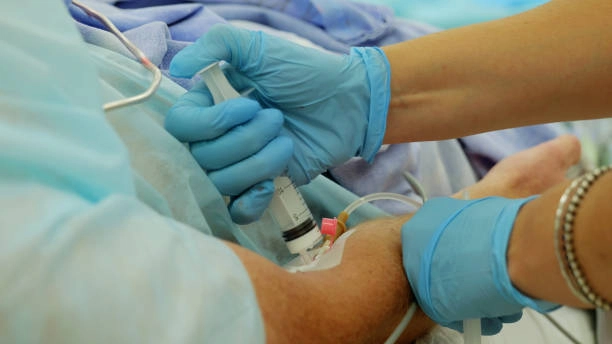
During a home IV therapy session, patients experience a tailored and professional approach to their medical needs. A licensed nurse arrives equipped with necessary supplies, guaranteeing a safe and sterile environment. They begin by evaluating the patient’s condition and reviewing the treatment plan, fostering an atmosphere of trust and understanding. The nurse then carefully inserts the IV catheter, monitoring for comfort and addressing any concerns. Throughout the session, patients receive their prescribed medications or fluids while engaging in conversation, making the experience more personal. Essential signs are regularly checked to guarantee safety. This compassionate care not only promotes recovery but also enhances the sense of belonging within the patient’s home environment, making nurse administered IV at home a significant support system.
How to Start With Nurse Administered IV at Home Services
Starting with nurse administered IV at home services involves several key steps to guarantee a seamless experience. First, individuals should consult their healthcare provider to determine if home IV therapy is appropriate for their condition. Next, they must choose a reputable service that specializes in nurse-administered IV at home, ensuring that nurses are qualified and experienced. Once a service is selected, scheduling an initial assessment is vital; this allows the nurse to evaluate the patient’s needs and create a personalized care plan. Finally, ongoing communication with both the nursing team and the healthcare provider is essential to monitor progress and adjust treatment as necessary. This collaborative approach fosters a sense of belonging and support throughout the IV therapy journey.
Frequently Asked Questions
Is Nurse Administered IV at Home Covered by Insurance?
Insurance coverage for nurse administered IV at home varies by provider and plan. Patients should consult their insurance company to determine eligibility and specifics regarding coverage for home-based intravenous care services.
How Long Does a Typical Home IV Therapy Session Last?
A typical home IV therapy session lasts between 30 minutes to several hours, depending on the treatment prescribed. This duration allows for effective medication delivery while ensuring comfort and support for the patient throughout the process.
Can Family Members Be Present During the IV Administration?
Yes, family members can be present during the IV administration. Their support often helps patients feel more comfortable and less anxious, fostering a sense of belonging and emotional well-being during the nurse administered IV at home process.
What Types of Medications Can Be Administered via IV at Home?
Various medications can be administered via IV at home, including antibiotics, hydration fluids, chemotherapy agents, and pain management drugs. This flexibility allows patients to receive essential treatment comfortably in their own environment, fostering a sense of belonging.
Are There Any Risks Associated With Home IV Therapy?
Home IV therapy carries risks such as infection, phlebitis, and improper administration. Patients should be educated on potential complications and maintain open communication with healthcare providers to guarantee safe and effective treatment at home.
Conclusion
In conclusion, nurse-administered IV therapy at home provides a compassionate and effective alternative for patients requiring intravenous care. This service not only guarantees professional medical support in a familiar environment but also enhances emotional well-being and fosters family involvement. By prioritizing patient comfort and adherence to treatment, home IV therapy markedly contributes to improved health outcomes and quality of life. Embracing this approach can transform the experience of receiving essential medical care.
You May Also Like To Read: